
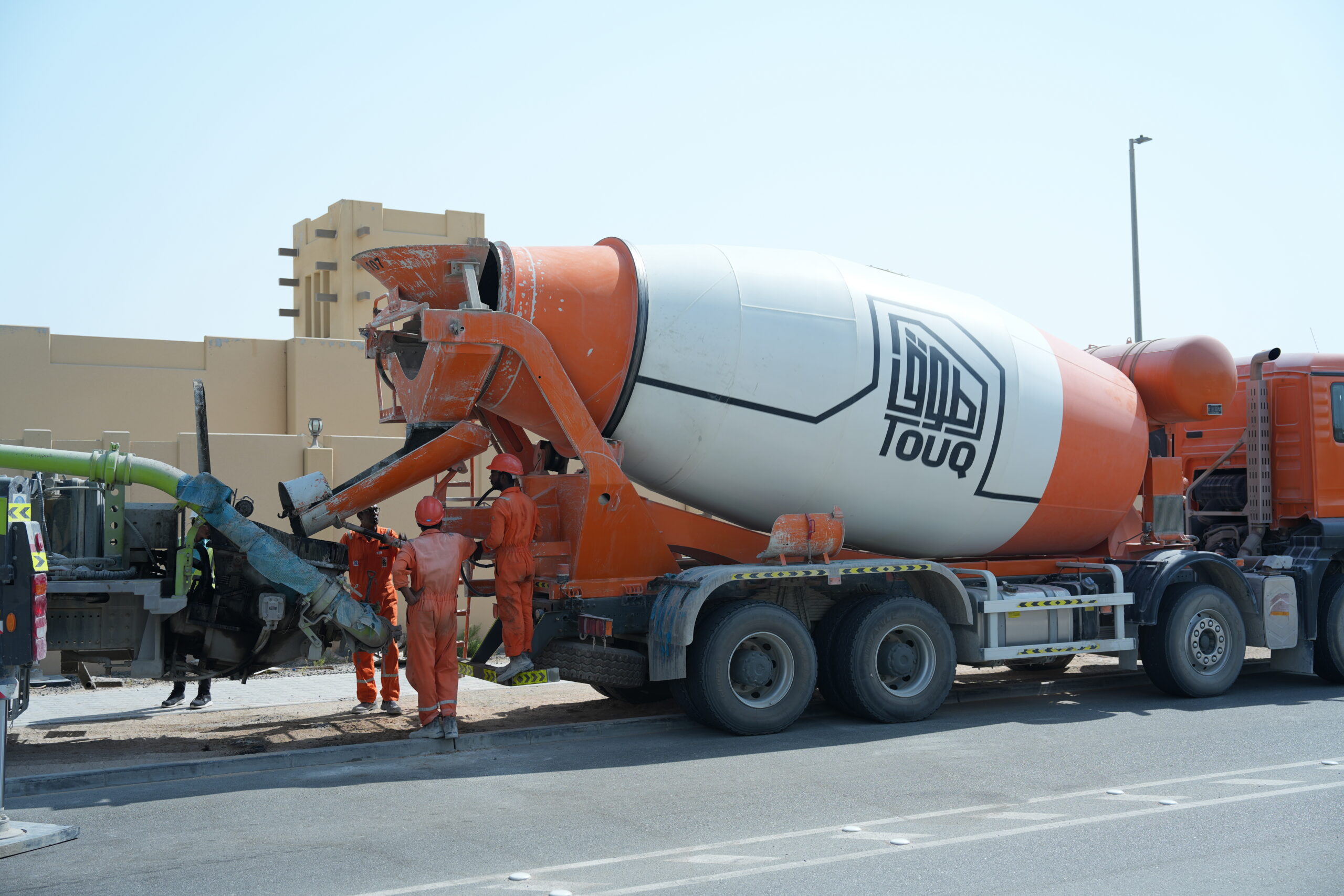
Concrete is one of the most fundamental materials in construction, supporting structures, infrastructure, commercial developments, and a wide range of built environments. Yet, the performance of concrete depends on more than the materials used to produce it. Consistency, controlled production, appropriate handling, and timely delivery all play an important role in ensuring that concrete meets the requirements of a project.
Ready-mix concrete production is therefore a coordinated process in which material selection, mix proportions, batching operations, quality checks, and delivery planning must work together.
For construction teams, dependable concrete supply helps support site coordination and the planned progression of critical activities. For producers, it requires attention to the details behind every batch, from the management of raw materials to the movement of concrete from the production facility to the construction site.
The Importance of Consistent Production
Concrete requirements vary according to the intended application, structural design, exposure conditions, and project specifications. A mix designed for one purpose may not be suitable for another, making appropriate mix selection and controlled production essential.
At a batching plant, measured quantities of cementitious materials, aggregates, water, and specified admixtures are combined according to the relevant mix design. Accurate proportioning and consistent production procedures help reduce unwanted variation between batches.
The objective is to produce concrete that aligns with the approved requirements for the intended application. This requires suitable equipment, trained personnel, proper material handling, and production processes that support repeatability.
Consistency is not achieved through a single action. It is the result of several connected controls working together throughout the production process.
Material Management and Batching Accuracy
The characteristics of the raw materials influence the properties of the finished concrete. Aggregate grading, moisture content, cementitious materials, water quantities, and admixture dosage can all affect fresh and hardened concrete performance.
Material management is therefore an important part of production control. Appropriate storage, handling, measurement, and monitoring help maintain the conditions needed for consistent batching.
Moisture correction, for example, is an important consideration when determining the effective water content of a concrete mix. Changes in aggregate moisture can influence the amount of water contributed during batching and, consequently, the mix’s performance.
Careful proportioning and suitable operating procedures help ensure that production remains aligned with the specified mix design.
Quality Control Throughout the Process
Concrete quality cannot be assessed through appearance alone. It requires appropriate checks and testing in accordance with the project specification and applicable standards.
Depending on the requirements, quality control may involve reviewing incoming materials, monitoring batching operations, checking fresh concrete properties, preparing test specimens, and evaluating compressive strength results.
These activities provide information that helps identify variations and assess whether the concrete meets the required criteria.
Quality control also depends on proper documentation and communication. Clear records help connect production information with testing results and project requirements, supporting traceability and informed technical decisions.
The specific checks and acceptance criteria should always follow the approved mix design, relevant standards, and requirements established for the project.
Delivery Is Part of the Production Process
Producing concrete to the required specification is only one part of the supply process. Concrete must also reach the site and be placed within the applicable time and handling requirements.
Delivery planning involves coordination between production schedules, vehicle availability, site access, traffic conditions, discharge arrangements, and the construction team’s planned activities.
Uncoordinated deliveries can create challenges at the site, particularly when concrete placement depends on a continuous sequence of supply. Delays may affect work schedules, while poor coordination can place unnecessary pressure on site personnel and equipment.
A well-organised supply process considers both the production requirements and the practical conditions at the destination. Communication between the producer, transport team, and site representatives helps align deliveries with the needs of the pour.
Supporting Construction Through Operational Coordination
Concrete supply is closely connected to the wider construction programme. Foundations, slabs, columns, structural elements, and infrastructure works each have specific sequencing and placement requirements.
Planning a concrete pour therefore involves more than confirming quantities. It may require reviewing the proposed delivery sequence, access conditions, pumping arrangements where applicable, and the timing of site preparation.
When production and delivery are coordinated with construction activities, project teams have a clearer basis for planning resources and managing work on site.
This coordination is particularly important for larger pours or projects where several activities must take place within a defined window. Requirements differ by project, but the principle remains the same: reliable supply depends on preparation, communication, and operational discipline.
Touq Readymix and Drymix Concrete and Mortars Manufacturing
As part of the TOUQ Group, Touq Readymix and Drymix Concrete and Mortars Manufacturing operates within the construction materials sector, serving a market in which dependable production and coordinated supply are important to project delivery.
Ready-mix concrete and drymix products serve different applications and require production processes suited to their respective material characteristics and intended uses. Understanding these requirements is central to producing materials appropriate for the demands of construction.
For contractors and project stakeholders, choosing a supply partner involves considering more than the material itself. Production processes, communication, scheduling, technical requirements, and coordination with site activities all contribute to the overall supply experience.
Touq Readymix’s role within the construction supply chain is part of this broader process of supporting building and infrastructure activity through construction materials.
Building Confidence Through Process
Concrete is a material that must perform according to defined technical requirements. Achieving that outcome calls for coordinated attention to mix design, material management, batching accuracy, quality checks, and delivery planning.
When these elements are approached systematically, concrete production becomes more than a manufacturing activity. It becomes an essential part of the wider construction process, helping project teams work with greater clarity around material requirements and supply coordination.
For modern construction, dependable concrete supply begins long before a truck reaches the site. It begins with the processes, controls, and planning that support every stage of production.
Touq Readymix and Drymix Concrete and Mortars Manufacturing
Part of TOUQ Group.
Website: https://touqconcrete.ae/


