
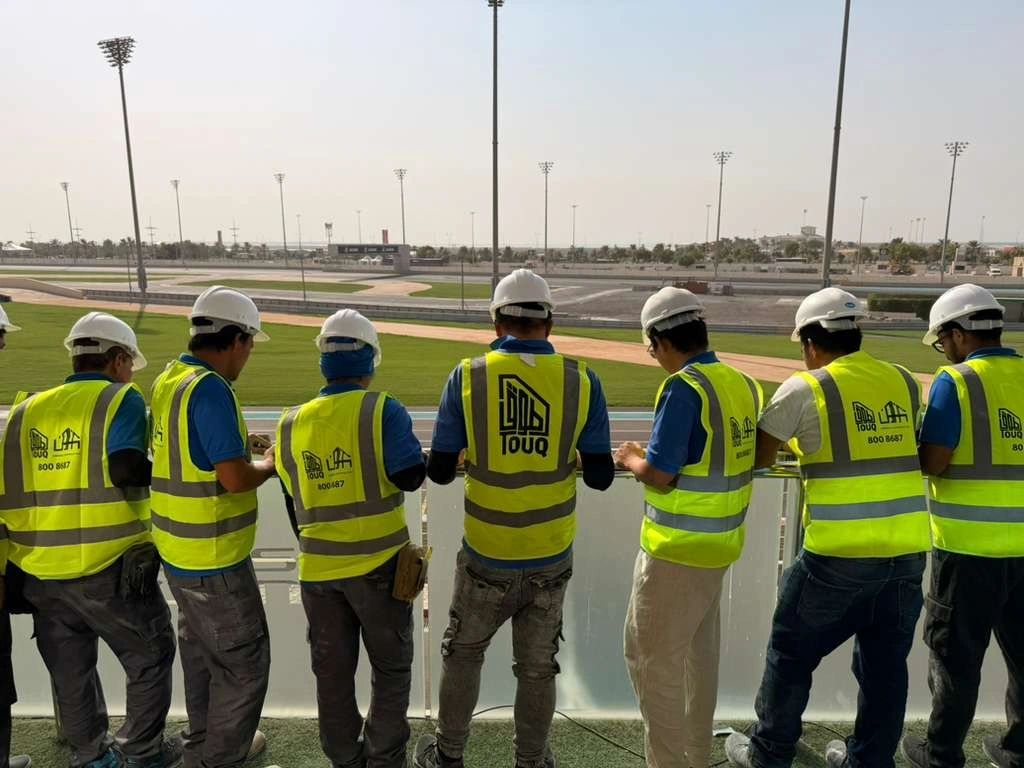
Every successful construction project begins long before work takes place on site. Behind every completed structure is a coordinated process involving technical planning, resource management, site preparation, and the careful execution of multiple construction activities.
From initial groundwork to structural works and final finishes, each stage contributes to the overall quality, functionality, and performance of the finished development. The challenge lies not only in completing individual tasks, but also in ensuring that every stage aligns with the project’s specifications, schedule, and wider objectives.
For developers, consultants, and project owners, effective construction execution depends on a contractor’s ability to coordinate these requirements while maintaining attention to quality, safety, and operational efficiency.
The Importance of Planning Before Construction Begins
Construction projects involve interconnected activities that must be completed in the appropriate sequence. Delays or inconsistencies in one phase can affect subsequent operations, making early planning an essential part of project delivery.
A structured construction plan establishes the sequence of activities, identifies resource requirements, and helps coordinate labour, materials, equipment, and subcontractors. It also provides a framework for managing site access, logistical requirements, and potential constraints before they affect progress.
Effective planning must remain responsive to actual site conditions. As projects develop, construction teams may need to adjust their approach to accommodate technical requirements, coordination issues, or changes in the work programme.
The objective is to maintain clear direction throughout the project while ensuring that decisions are based on the approved scope, technical documentation, and current site requirements.
Technical Coordination Across Construction Disciplines
Modern construction requires multiple disciplines to work together. Structural works, mechanical and electrical installations, infrastructure, architectural finishes, and other specialist activities often share the same spaces and depend on one another for timely completion.
Without proper coordination, inconsistencies between drawings, installation requirements, and site activities can lead to rework, delays, and unnecessary material costs.
Technical coordination helps identify potential conflicts, clarify responsibilities, and establish the correct sequence of work. It also supports communication between contractors, consultants, suppliers, and other project stakeholders.
This coordination is particularly important when construction activities overlap or when different trades must work within restricted areas.
By addressing interfaces between disciplines early, project teams can make better-informed decisions and support a more controlled construction process.
Quality Is Built Into Every Stage
Construction quality is not determined solely by the appearance of the finished building. It is influenced by the materials selected, the methods used, the accuracy of installation, and the consistency with which approved specifications are followed.
Quality assurance and quality control processes help establish clear requirements for materials, workmanship, inspections, and testing. These measures provide a basis for identifying discrepancies and addressing them before they affect subsequent stages of construction.
Depending on the project, quality checks may cover material approvals, structural works, installation activities, finishing details, and the completion of corrective actions.
Maintaining appropriate documentation also supports traceability and provides a clearer record of work carried out throughout the project lifecycle.
A disciplined approach to quality helps ensure that construction decisions are guided by the project’s technical requirements rather than relying on visual appearance alone.
Site Management, Safety, and Resource Efficiency
A construction site is a dynamic working environment in which people, machinery, materials, and multiple activities must be managed simultaneously.
Effective site management establishes the arrangements needed to organise daily operations, maintain access, coordinate deliveries, and monitor progress. Clear responsibilities and communication channels help site teams respond to issues while keeping work aligned with the project programme.
Safety must also remain an integral consideration throughout execution. Appropriate risk assessments, site procedures, supervision, and coordination help address hazards associated with construction activities.
Resource planning contributes to the same objective. Aligning material deliveries, labour requirements, and equipment availability with the work schedule can help reduce unnecessary waiting, congestion, and disruption.
Together, these practices support a more organised site environment and help project teams manage competing operational demands.
Managing Progress Without Losing Sight of Detail
Construction progress involves more than meeting milestones. Each completed stage must also provide a suitable foundation for the work that follows.
Regular progress reviews help project teams compare actual site activities against planned schedules, identify constraints, and determine where corrective action may be necessary. These reviews can also highlight issues involving material availability, design coordination, inspections, or access to work areas.
At the same time, pressure to maintain a schedule should not replace adherence to approved specifications and quality requirements.
A balanced approach considers programme performance alongside workmanship, safety, technical compliance, and the readiness of each stage for subsequent activities.
This attention to both progress and detail helps establish a more reliable basis for project completion.
Ghanoon General Contracting: A Coordinated Approach to Construction
Ghanoon General Contracting, part of the TOUQ Group, operates within the UAE construction sector, where project requirements demand coordination between technical planning, site operations, and the execution of construction works.
From general contracting activities to infrastructure and fit-out works, construction delivery requires an understanding of project specifications, site conditions, material requirements, and the relationships between different work packages.
A coordinated approach helps bring these elements together within the broader construction programme. It also recognises the importance of communication among project stakeholders and maintaining appropriate attention to workmanship throughout execution.
For clients and project partners, these considerations form an important part of evaluating a contracting partner: not only the scope of work undertaken, but also the processes and coordination that support its delivery.
Building for Lasting Performance
Successful construction is the result of many decisions made throughout a project’s lifecycle. Planning establishes direction, coordination connects the different disciplines, and quality controls help ensure that work aligns with the required specifications.
When these elements are managed together, they contribute to a more structured approach to construction execution and provide a stronger foundation for achieving project objectives.
For the construction industry, lasting performance begins with disciplined processes, informed decision-making, and consistent attention to the details that shape the finished development.
Ghanoon General Contracting
Part of TOUQ Group.
Website: https://ghanoon.ae/