
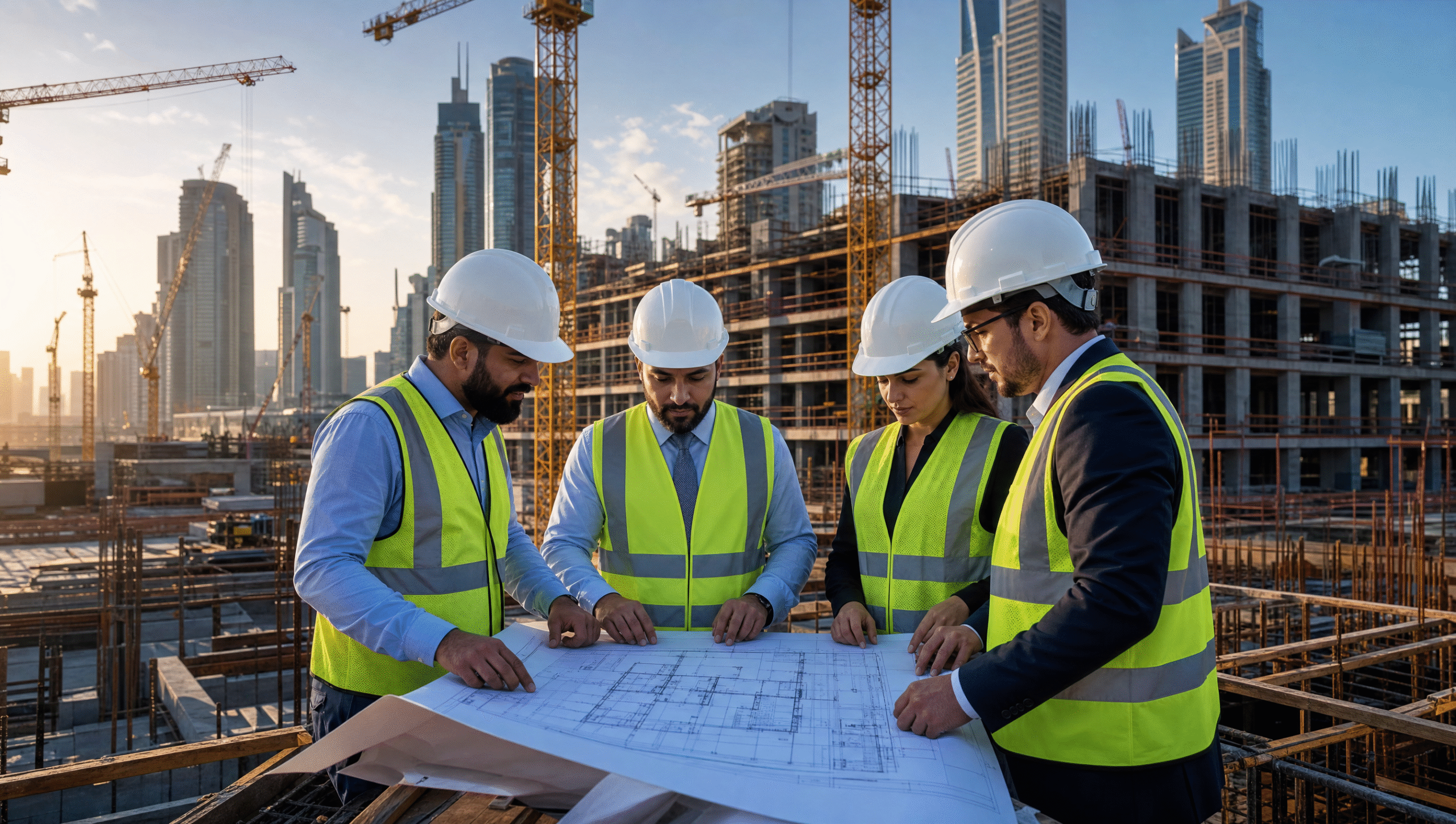
Behind every successful construction project is a well-defined plan. While visible progress
on-site often captures attention, the real foundation of any development is established
long before construction begins. From initial design coordination to project scheduling and
execution, strategic planning plays a critical role in delivering quality results safely,
efficiently, and on time.
As construction projects become increasingly complex, effective planning is no longer just
an advantage—it is a necessity. Developers, contractors, engineers, and project managers
must work together to ensure that every stage of the project aligns with technical
requirements, budget expectations, and delivery timelines.
Planning Creates the Foundation for Success
Construction involves coordinating multiple disciplines, resources, and stakeholders. A
comprehensive project plan helps organize every aspect of the build, from procurement
and workforce allocation to equipment scheduling and quality control.
Clear planning enables project teams to identify potential challenges early, reduce
disruptions, and make informed decisions throughout the construction process. This
proactive approach helps improve efficiency while supporting better project outcomes.
Collaboration Drives Better Results
Modern construction projects rely on strong collaboration between architects, engineers,
consultants, contractors, and clients. Effective communication throughout the project
lifecycle helps ensure that design intent, technical specifications, and construction
activities remain aligned.
When project teams share information efficiently and address issues promptly, they can
reduce delays, improve coordination, and maintain consistent quality standards from start
to finish.
Safety Begins Before Construction Starts
Safety is a core component of every successful construction project. While protective
equipment and site procedures are essential, many safety improvements begin during the
planning phase.
Carefully developed construction methodologies, risk assessments, logistics planning,
and site organization contribute to creating safer working environments. Identifying
potential hazards before work begins allows project teams to implement appropriate
control measures and promote a culture of safety throughout the project.
Managing Time and Resources Effectively
Construction schedules are closely linked to resource management. Successful projects
require careful coordination of labor, materials, machinery, and subcontractors to maintain
productivity and meet key milestones.
Strategic planning helps optimize resource allocation, reduce unnecessary downtime, and
improve overall project efficiency. This structured approach supports smoother execution
while helping projects remain on schedule and within scope.
Quality Through Every Stage
Quality is achieved through consistent attention to detail at every phase of construction.
From material selection and workmanship to inspections and compliance, maintaining
high standards requires continuous monitoring and coordination.
A disciplined quality management approach helps ensure that completed structures meet
engineering requirements, regulatory standards, and client expectations while supporting
long-term performance and durability.
Building for the Future
The construction industry continues to evolve with advancements in engineering practices,
digital technologies, sustainable building methods, and project management techniques.
Contractors who embrace innovation while maintaining strong execution standards are
better positioned to deliver projects that meet the demands of modern development.
At Ghanoon General Contracting, we believe that successful construction begins with
thoughtful planning, experienced professionals, and a commitment to quality at every
stage of the project. By combining engineering expertise with disciplined project
management, we support the delivery of reliable construction solutions that contribute to
stronger communities and lasting infrastructure.
As the industry continues to grow, strategic planning will remain one of the most important
elements in transforming ideas into successful, high-quality developments.